The Federal Communications Commission is tightening market access requirements for certain foreign-produced technologies. The FCC has added two new equipment categories to its Covered List: advanced robotic devices and connected inverters, citing national security risks and threats to critical infrastructure.
This decision prevents any newly affected models from obtaining required equipment authorization from the FCC, which is necessary for their commercialization in the American market. However, the measure does not impact devices that were already authorized before this ruling took effect; these existing devices can continue to be imported, marketed, and used normally.
Advanced Robotic Devices
The definition of "advanced robotic devices" is notably broad, extending far beyond mere humanoid robots. It encompasses autonomous mobile robots and quadrupeds, as well as other mobile devices that meet multiple technical criteria.
To qualify for this category, a robot must satisfy several requirements:
- It must be capable of moving on the ground and operating either remotely from an operator or in response to data gathered by its sensors.
- The entire system—composed of the robot and any associated station—must weigh more than 4.4 pounds (approximately 2 kg).
- The device must possess built-in sensors, network connectivity of at least 200 kb/s, and software that enables functions such as autonomous navigation, environmental perception, data collection, or remote control.
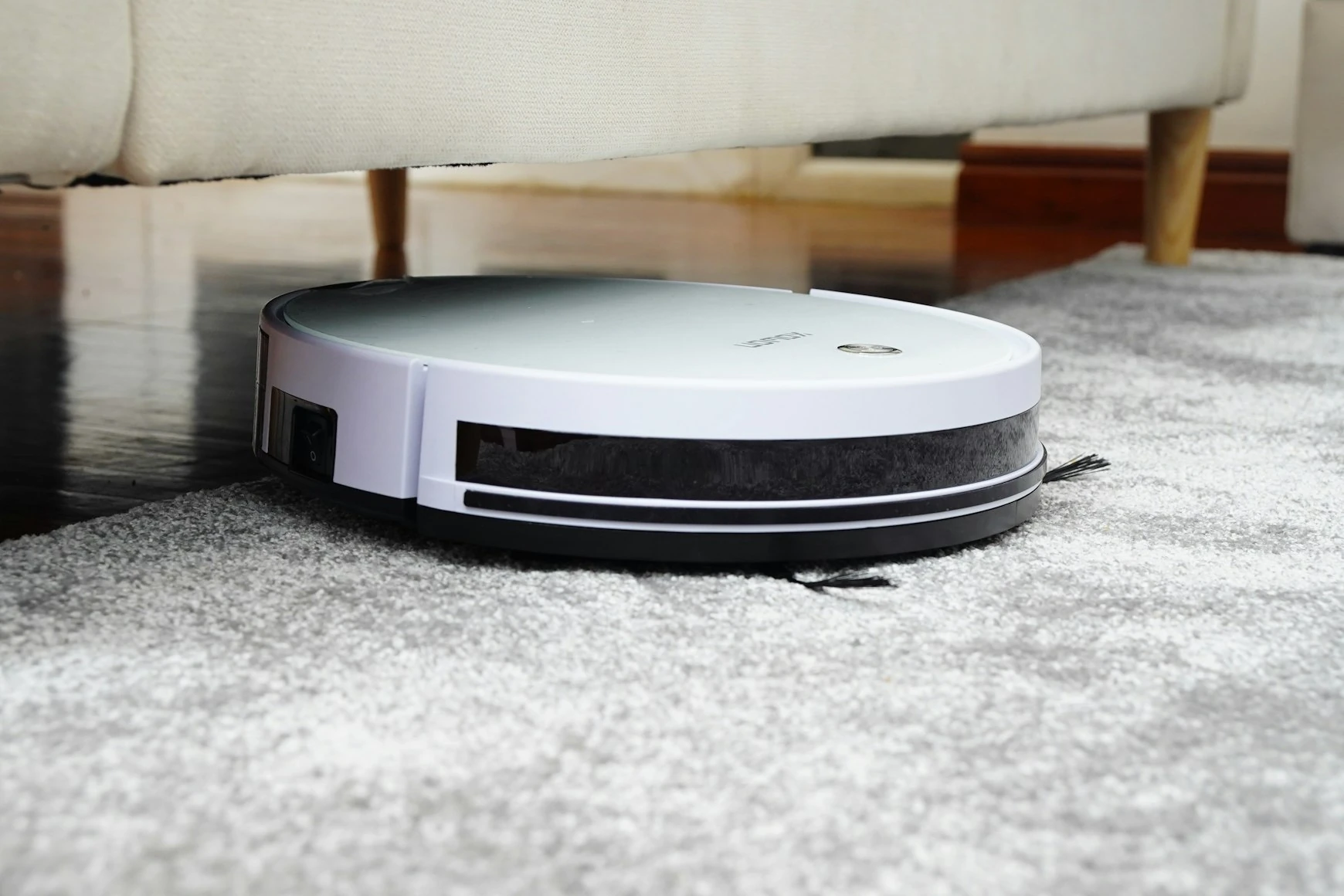
This broad definition means that certain consumer devices, specifically robotic vacuum cleaners or autonomous lawnmowers, could potentially fall under this restriction if they meet all the stated criteria.
Connected Inverters
Separately, the FCC has added foreign-produced connected inverters to its Covered List. These pieces of equipment are commonly used in specific photovoltaic and electrical infrastructures. They are affected by this rule if they possess functions that allow for remote communication, control, detection, or data collection capabilities.
National Security Implications
The move comes following an evaluation conducted by a U.S. executive interagency group specializing in national security issues. Authorities specifically cite risks related to data exfiltration, surveillance concerns, remote equipment disruption, and overall supply chain vulnerabilities as the primary motivations for the rule change.
It is important to note that this measure applies to devices produced abroad regardless of the nationality of their manufacturer. The FCC has provided specific exemptions for certain equipment that have already obtained conditional authorization from competent American authorities.
This expansion of the Covered List now places a segment of the robotics and connected electrical equipment market under constraints similar to those already applied by the FCC to other sensitive technologies.