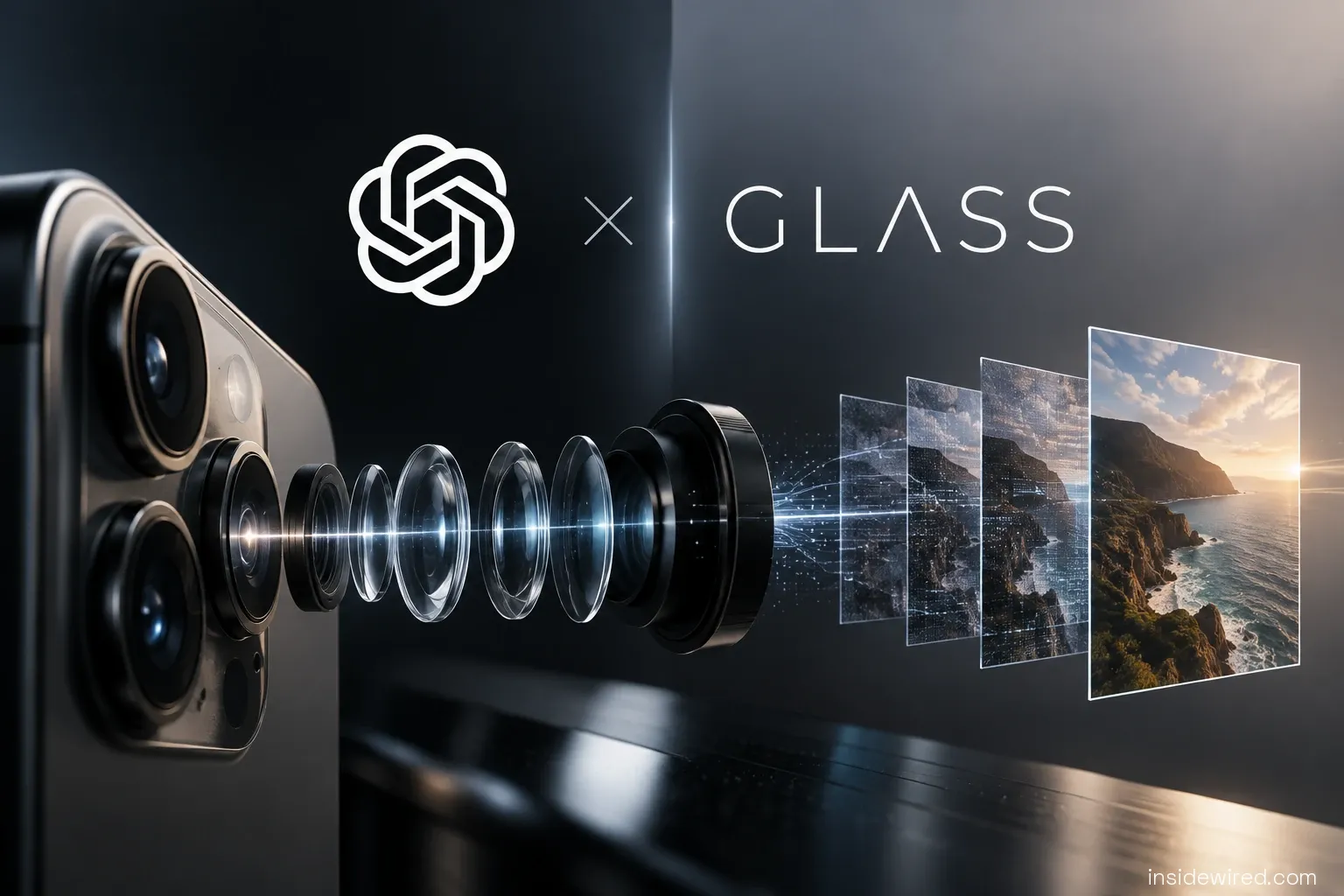
OpenAI has acquired Glass Imaging, a startup specializing in improving smartphone camera performance using artificial intelligence, in a deal valued at over $300 million. Founded by two former Apple engineers, the company develops an approach to computational photography that could complement OpenAI’s hardware aspirations.
With this acquisition, OpenAI is advancing its expansion beyond pure artificial intelligence models. According to The Wall Street Journal, the deal values the startup at over $300 million. Glass Imaging, which was founded in 2019 and is based in Los Altos, California, had previously raised approximately $30 million from investors.
Expertise in Computational Photography
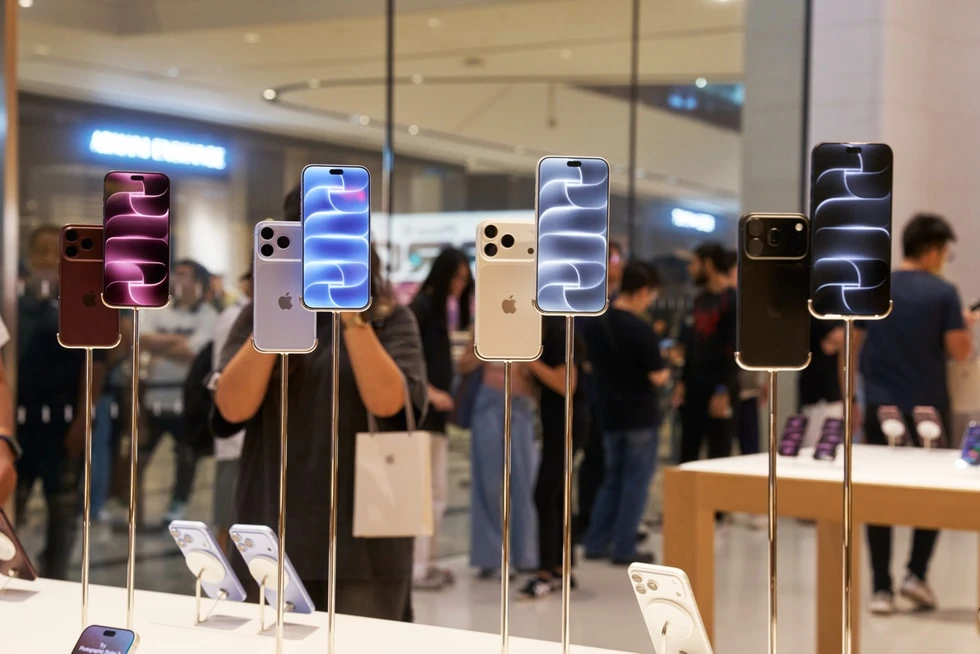
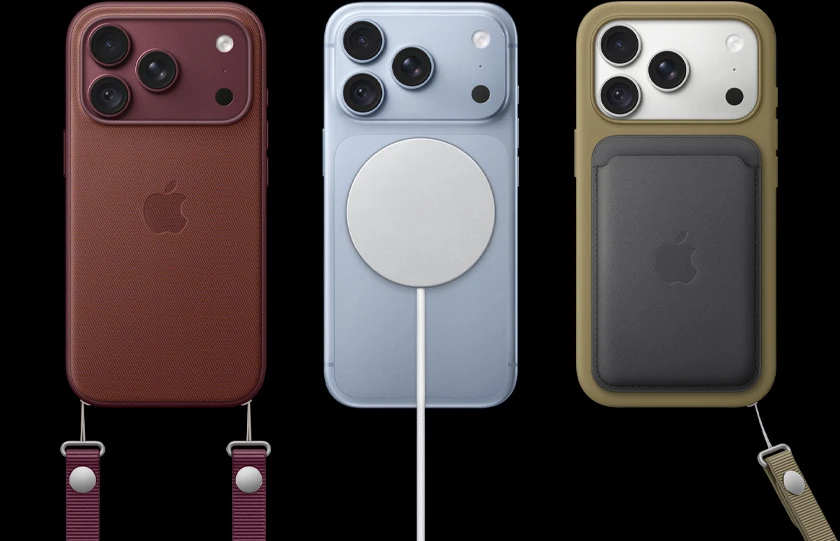
The company was created by Ziv Attar and Tom Bishop, two former Apple engineers who worked on iPhone photography technologies. Glass Imaging aims to enhance the image quality produced by smartphones’ smaller sensors and lenses through a combination of hardware, image processing, and neural networks.
Crucially, their approach does not simply involve modifying a photograph after it is taken. Instead, the models are adapted to the specific characteristics of different camera systems to better utilize information captured at the moment of shooting. The goal is specifically to compensate for physical limitations imposed by the reduced size of mobile photographic modules.
Integrating Hardware and AI
This acquisition comes as OpenAI simultaneously develops its interests in consumer devices. Earlier, in 2025, the company acquired io, a company founded with former Apple designer Jony Ive, in a $6.5 billion transaction. Since then, OpenAI has been working on new product concepts that directly integrate its artificial intelligence technologies.
While the precise role of Glass Imaging in these future projects has not been detailed, its expertise in computational photography could provide OpenAI with hardware and software capabilities that are directly applicable to future camera-equipped devices. For products relying on AI capable of interpreting their environment, the quality and processing of visual data can constitute a vital component of the user experience.
By bringing Glass Imaging into its fold, OpenAI thus adds a new specialized skill set to its hardware development. This move confirms that the company is gradually building an integrated team capable of working across multiple aspects of a consumer device—from industrial design and artificial intelligence to imaging.