Initial tests for the iPhone 18 Pro and 18 Pro Max suggest a generation focused more on refinement than radical change. The device's variable aperture remains divisive regarding its automatic utility, but improvements in low light performance, new manual controls, battery life, and especially the A20 Pro chip's thermal management stand out as the most compelling upgrades.
Camera Functionality
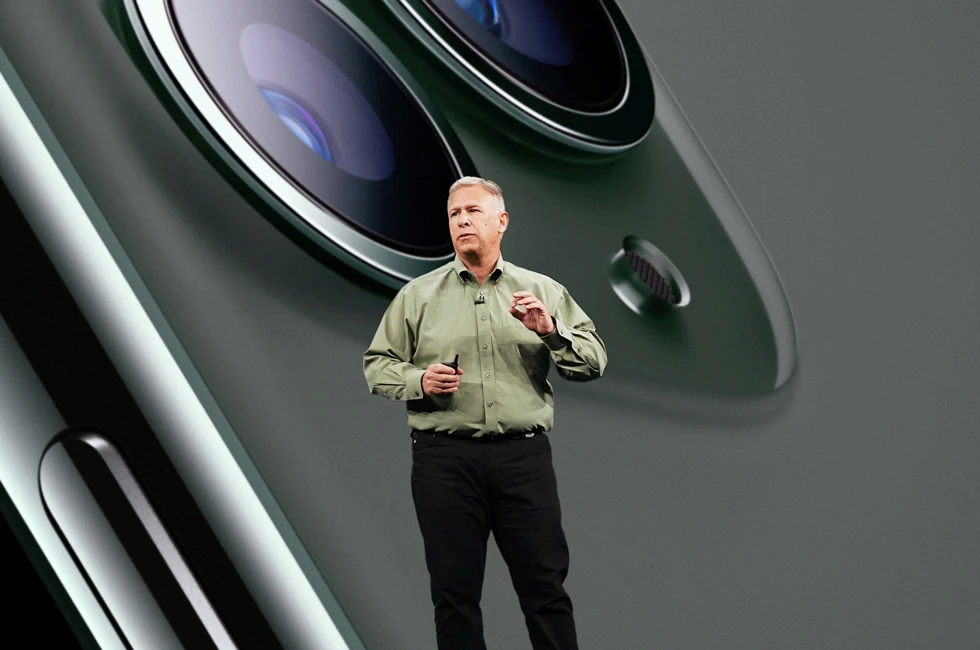
The camera functionality constitutes a large portion of the iPhone 18 Pro's new features. Its 48-megapixel main camera adopts a variable aperture capable of operating between ƒ/1.48 and ƒ/4. However, initial tests indicate that its utility varies depending on the usage scenario. In automatic mode, changes often remain subtle, while the new manual controls allow users to better utilize this capability, particularly when manipulating depth of field or adjusting output based on the scene.
Improvements are more evident in dim light conditions. The maximum aperture of ƒ/1.48 allows the main sensor to capture more light and reduce reliance on long exposures in Night Mode. After testing approximately a thousand photos, PetaPixel noted a noticeable improvement in the overall photographic experience but also pointed out a compromise: sharpness decreases at ƒ/1.48, with the clearest results achieved at ƒ/2.8.
The Camera app has evolved to include manual controls for aperture, shutter speed, and white balance, along with an histogram. PetaPixel particularly highlighted the utility of these controls in both photography and video, while lamenting the absence of a manual ISO sensitivity setting. Meanwhile, The Verge considers that the variable aperture adds greater flexibility, even if the photographic differences remain generally subtle compared to the previous generation.
Performance and Hardware Improvements
Another significant area of evolution is performance. The A20 Pro chip is paired with a new generation Vapor Chamber designed to better distribute heat during prolonged usage. Measurements from Geekerwan show that the iPhone 18 Pro Max can maintain higher sustained performance than its predecessor while keeping a slightly lower screen temperature. During an intense 30-minute test, the screen reached 44.3 °C compared to 45.2 °C for the iPhone 17 Pro Max. These figures are still tied to this specific protocol but demonstrate genuine advances in cooling efficiency.
Battery life is also among the key strengths highlighted in early reviews. WIRED noted exceptionally solid endurance on the Pro Max, which can approach two days depending on usage. The publication also emphasized overall performance and the new cooling system. Engadget, meanwhile, praised the versatility of the camera system as well as the overall performance of both models.
On the front, Apple reduced the size of the Dynamic Island by placing a portion of the Face ID system beneath the screen. Initial tests indicate that authentication maintains performance comparable to the previous generation. However, under certain lighting conditions, the component placed under the display may remain slightly noticeable. The new Dynamic Island therefore benefits from this freed-up space to occupy less real estate on the screen.
Overall Takeaway
International initial tests ultimately converge on a highly refined but fundamentally evolutionary generation. The variable aperture and new settings give advanced users more control, while improvements in low light, battery life, and cooling benefit the general daily experience. Nevertheless, for current owners of a recent Pro model, the perceived difference may seem less determinant.
The iPhone 18 Pro doesn't revolutionize the formula, but its improvements become more visible in the most demanding use cases. Initial tests especially emphasize photography, battery life, and better thermal management.