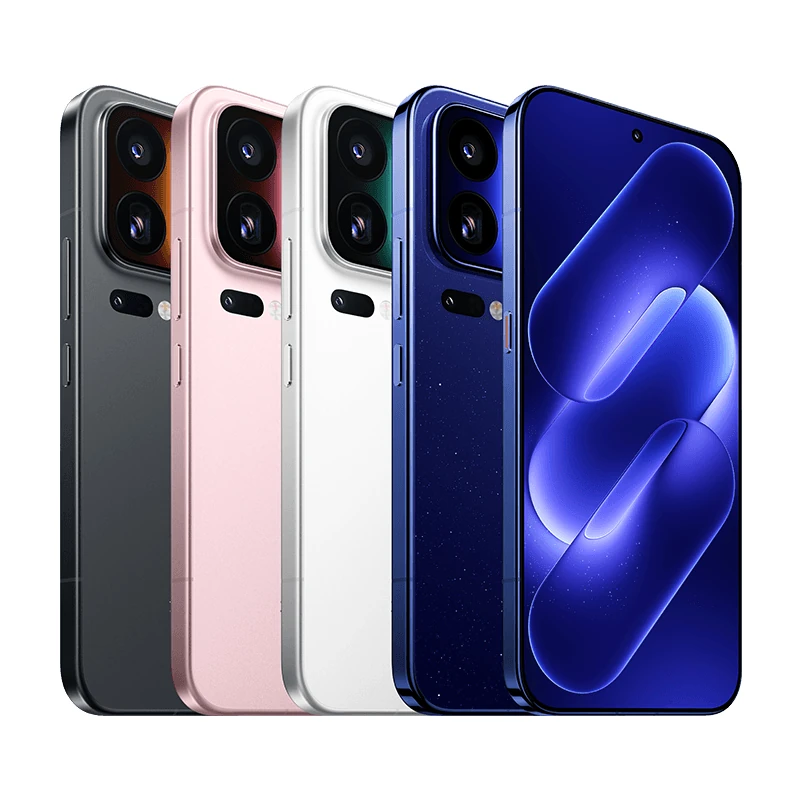
With the Xiaomi 18 Pro and 18 Pro Max, computational photography no longer simply improves an image discreetly within the phone. The new Legendary Moment mode uploads raw data to Xiaomi's servers to reconstruct an image inspired by the Leica universe in about twenty seconds. This spectacular promise changes the nature of mobile cameras: a part of their visual identity now depends on a distant service.
On paper, Xiaomi did not need the cloud to make its new models impressive. The 18 Pro and 18 Pro Max share a particularly ambitious Leica camera array: a 200-megapixel Light Hunter main sensor, a 200-megapixel periscope telephoto lens, and a 50-megapixel ultra-wide angle. The telephoto offers a 3.2x optical zoom, portraits equivalent to 75mm, and macro close focus. Building on this hardware base are two variants of Qualcomm's new flagship Snapdragon: the Elite Gen 6 in the Pro and the Elite Extreme Gen 6 in the Pro Max.
However, the most editorially interesting novelty is neither the number of megapixels nor the processing power. With its Legendary Moment system—also presented as Legend mode on some covers—Xiaomi distributes photographic processing between the phone and its servers. One initial part of the render can be executed locally, while a remote pipeline receives the raw data and reconstructs a more elaborate image. According to information released at launch and reported by specialized press, this operation takes approximately twenty seconds.
Shifting Processing Power to the Cloud
This delay reveals a fundamental difference from conventional smartphone processing. For several generations, phones have instantly fused multiple exposures, corrected noise, enhanced details, and adjusted colors. The user presses the shutter button and obtains an image already interpreted by local algorithms. Xiaomi is essentially adding a second darkroom located in the cloud. The captured file becomes raw material for a service capable of mobilizing more computation and potentially running heavier models than those executed on the device itself.
The partnership with Leica gives this processing a particular dimension. Xiaomi isn't just selling a better exposure or cleaner cropping; the brand promises a recognizable photographic aesthetic, built around color science and dedicated styles. In other words, the cloud no longer merely corrects the photo: it helps manufacture its character. This evolution brings the smartphone closer to a device whose "render" can continue to evolve after purchase, following model updates and settings deployed on the server side.
This architecture offers credible advantages. Servers can process larger data sets, apply complex calculations without draining the battery, and improve service without waiting for a new phone. A challenging photo—low light, high contrast, fine textures, or complex portraiture—can benefit from more time-intensive processing than what is allowed by an instant preview. Furthermore, the mode remains optional: users can continue to photograph using local processing and the phone’s built-in hardware capabilities.
New Dependencies and Uncertainties
But moving toward the cloud also creates new dependencies. The function requires a connection, introduces waiting time, and raises questions about the fate of the raw data sent to the servers. A photograph often contains more than just visual composition: faces, private locations, documents, metadata, and lifestyle habits can appear within it. Xiaomi mentions privacy protection devices on its devices, but the editorial value of Legendary Moment will depend on precise answers regarding encryption, retention period, hosting regions, and potential use of images to improve models.
Sustainability constitutes another uncertainty. An objective and a sensor continue to function as long as the phone does; a cloud render depends on infrastructure, operational costs, and commercial policy. Xiaomi must specify whether the service is free without limits, tied to a subscription, subject to quotas, or reserved for specific regions. It will also be necessary to know what happens to functions during trips with no signal, in case of failure, or upon future service termination.
This strategy finally illustrates a broader tension within mobile photography. Manufacturers are continually investing in larger sensors and more sophisticated optics, but an increasing portion of the final result comes from invisible software chains. With Legendary Moment, Xiaomi makes this chain more powerful while simultaneously making it more remote. Therefore, quality will not be the sole criterion for testing: one must compare the local result against the cloud render, measure the consistency of the delays, and verify whether the promised Leica aesthetic maintains a photographic feel rather than an excessively reconstructed appearance.
The Xiaomi 18 Pro and Pro Max thus show what the camera in premium smartphones could become: a hybrid system where optics capture, the phone prepares, and the cloud interprets. The gamble may produce remarkable images. But it also forces users to decide how far they are willing to entrust their memories to an online service to obtain the promised visual signature.
The true test of Legendary Moment will not only be whether its images are more beautiful, but whether that gain justifies twenty seconds of waiting and sending a digital negative to the cloud.