A federal jury in San Diego determined that Apple infringed on two Taction Technology patents related to vibrations used in the iPhone and Apple Watch. While the figure of $5.7 billion is exceptional, it does not yet constitute a definitive judgment; appeals, recalculation disputes, and the procedural history of the case could still transform the outcome.
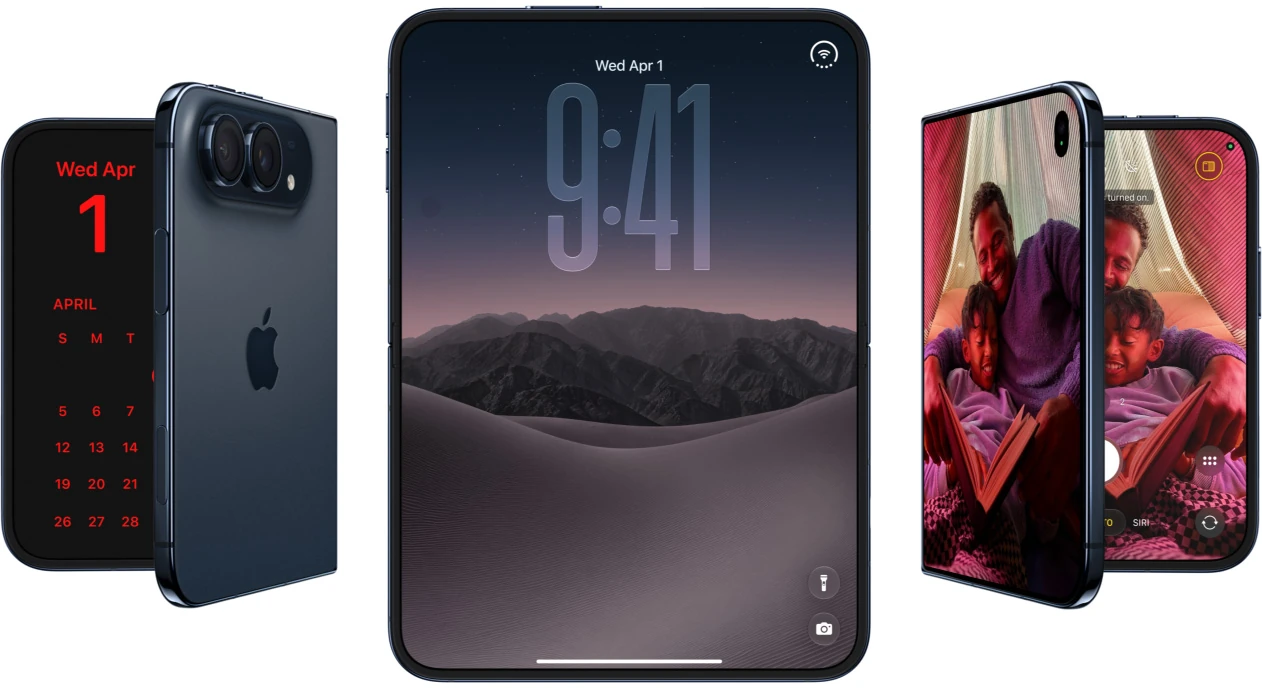
Even seemingly simple actions, such as a confirmation vibration, can concentrate years of research, dozens of components, and a multi-billion dollar legal battle. In San Diego, a federal jury concluded that Apple owed Taction Technology $5.7 billion for using technologies covered by two patents. The verdict centers on the haptic systems integrated into generations of iPhone and Apple Watch—devices sold on such a large scale that they partly explain the magnitude of the amount.
Understanding Haptics and Patent Scope
The cited patents, specifically U.S. numbers 10,659,885 and 10,820,117, relate to devices and methods that produce tactile sensations. Modern haptics is not limited merely to vibrating an engine; it aims for short, controlled impulses capable of simulating a click, confirming an action, or alerting without sound.
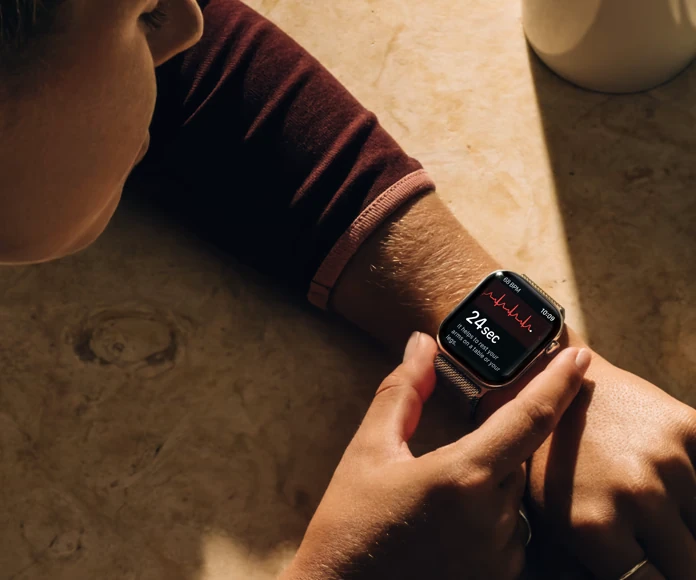
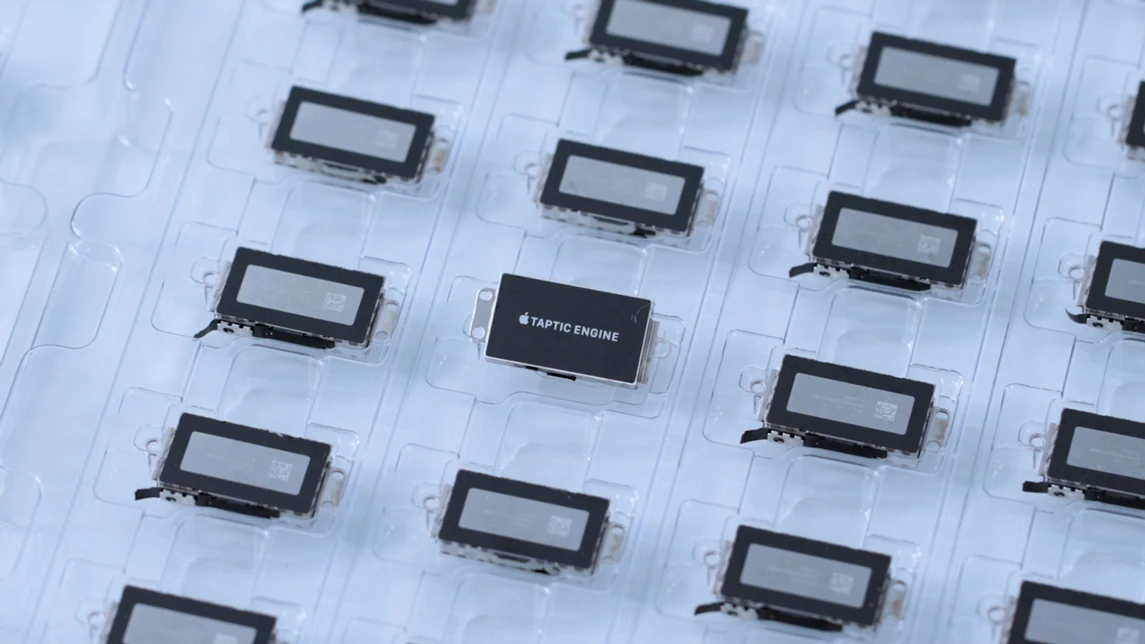
Apple has made the Taptic Engine a critical element of its product experience, visible in everything from the return of the physical keyboard to wrist notifications. Because this technology is not highly visible, it holds considerable commercial value when implemented in hundreds of millions of devices.
Legal Nuances and Calculating Damages
It is crucial to interpret the announced amount with caution. A jury verdict is a major step, but not necessarily the end of litigation. Apple retains the right to request the judge to reduce or overturn damages, challenge the validity or scope of the patents, and appeal. The case has already undergone reversals; for instance, a non-infringement decision rendered in 2023 was challenged, allowing the matter to return before the court. This procedural history demonstrates that even spectacular results can still change.
The core of future proceedings will involve calculating damages. In patent litigation, the question is not merely whether a claim was infringed. It requires determining what portion of the product's value stems from the specific function in question, what license would have been negotiated, and how many units must be included in the calculation. Taction necessarily defends a broad contribution of its technology to the user experience; Apple, conversely, will seek to isolate this contribution within devices that combine a display, processor, camera, software, and numerous other patents.
Broader Industry Implications
Taction's identity is also integral to the debate. The company is described as being supported by litigation funding—a mechanism through which a third party covers part of the costs in exchange for an eventual share of the outcome. This funding allows smaller entities to confront groups with immense legal means, though critics argue it may encourage lawsuits focused primarily on compensation rather than patent validity.
For Apple, the exposure potentially exceeds the accounting amount. A confirmed judgment could influence future Taptic Engine design, licensing agreements, and defensive strategy in other disputes. The most realistic risk involves financial burden, royalties, or negotiation—not the sudden disappearance of vibration features on existing devices, making an immediate sales halt unlikely based on available information.
Despite the magnitude of the jury finding, the verdict serves as a reminder that hardware innovation is cumulative. Major brands design components, purchase modules, license technologies, and rely on vast intellectual property portfolios. The simplicity felt by the user results from this accumulation. When one element in the chain becomes the subject of a contested patent, the value of millions of micro-interactions can be reconstructed years later in a courtroom.
The case is interesting less because it promises immediate money than because it assigns colossal value to an interface that is barely noticed. It raises a central question regarding intellectual property: how do you compensate for an invention integrated into a complex product without assigning it all the value of the product? The jury has provided Taction with a very favorable initial answer, but judges and likely an appellate court must still determine whether this response withstands scrutiny.