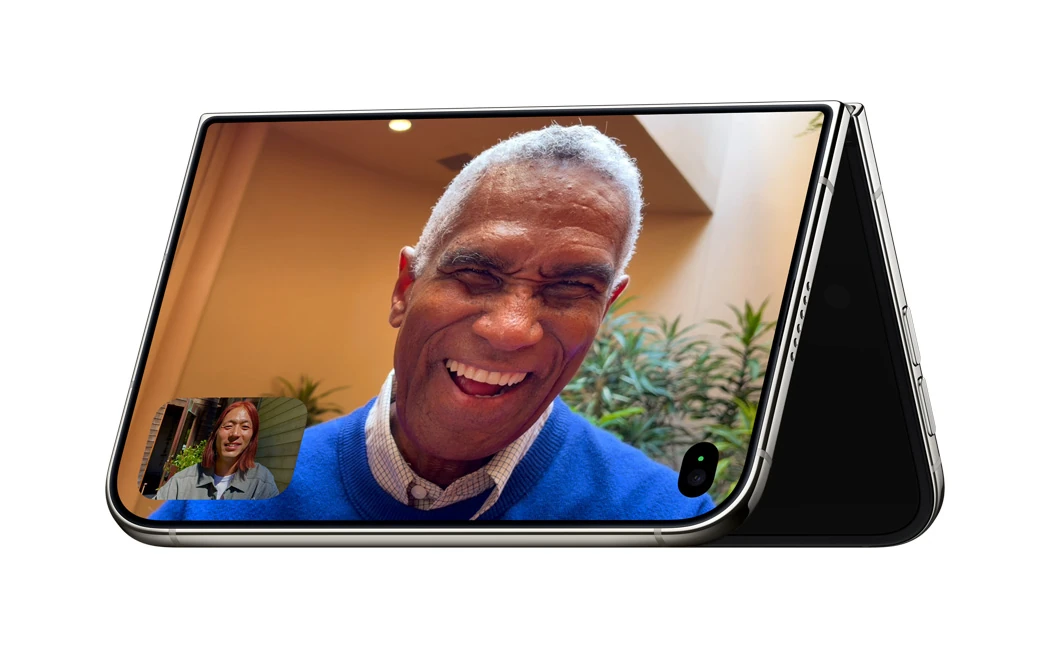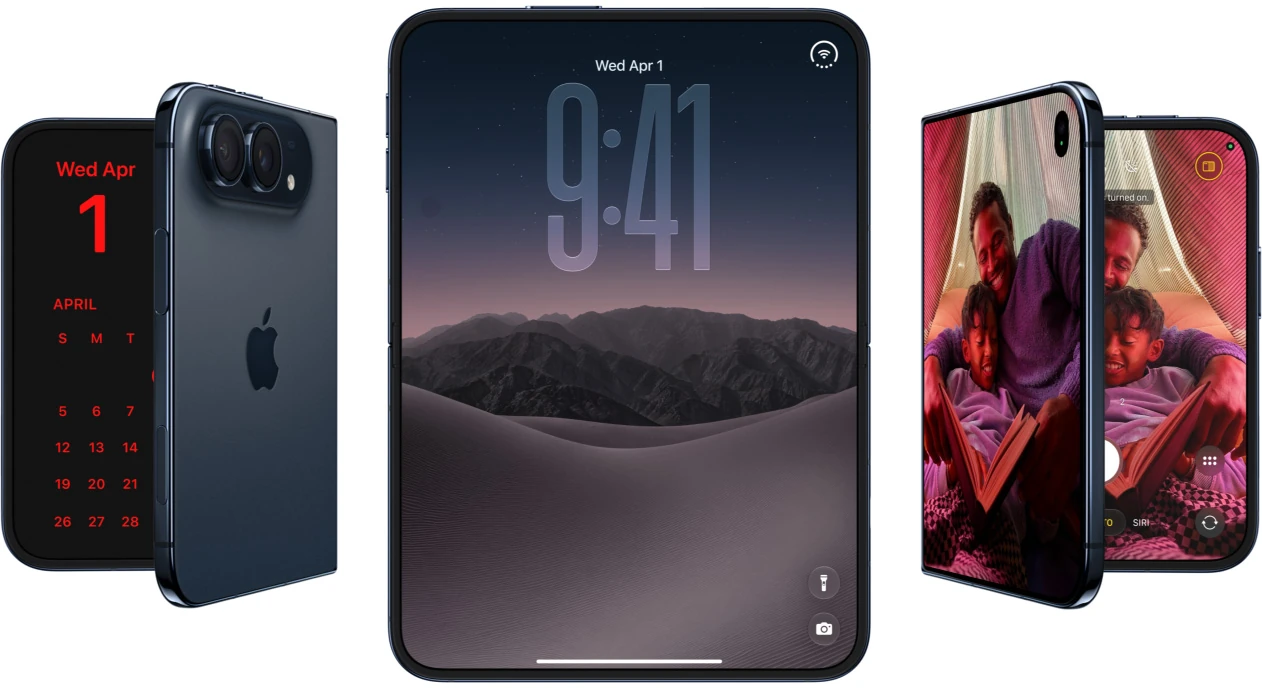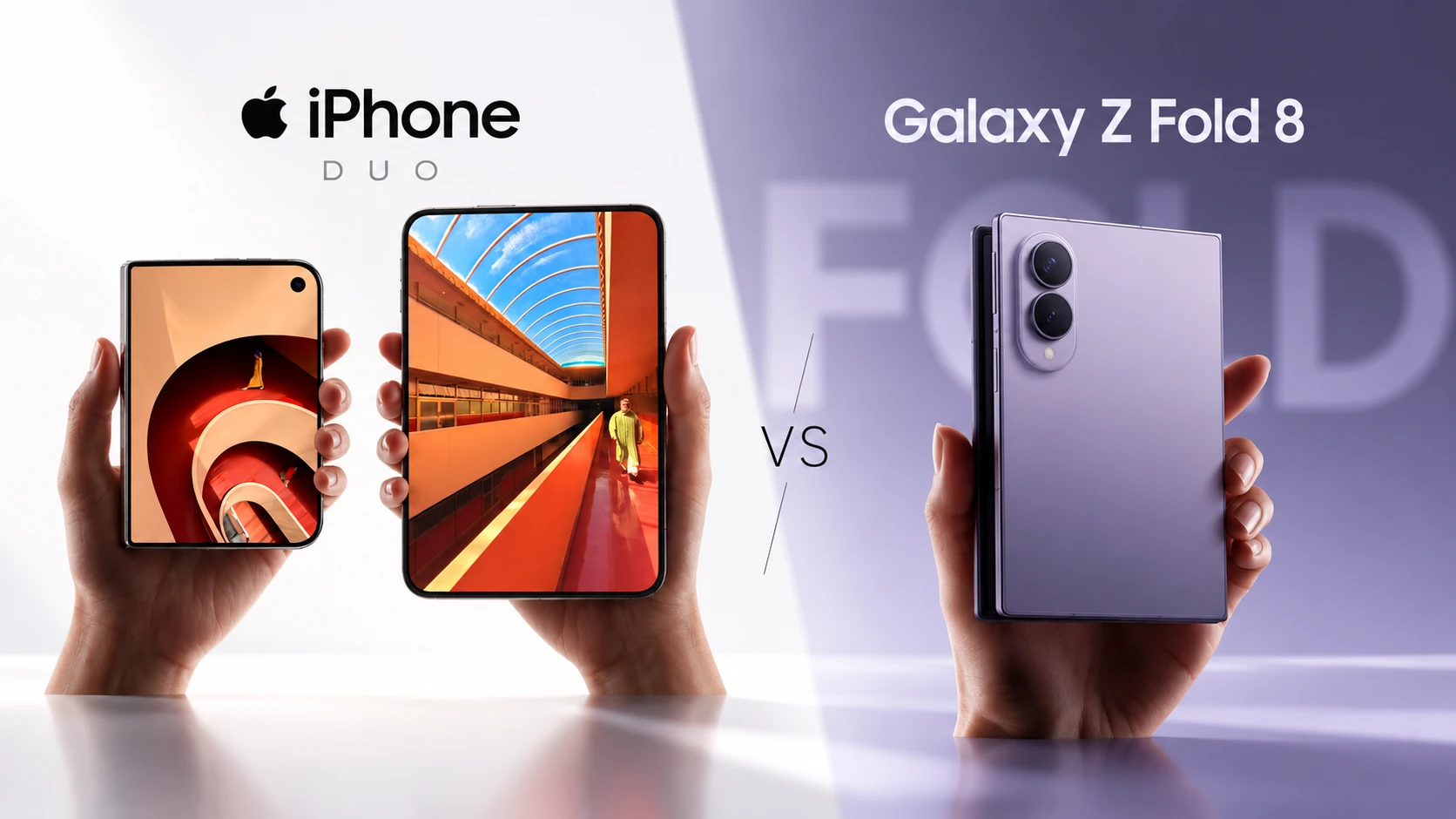
The arrival of the iPhone Duo finally transforms the foldable phone into a direct confrontation between Apple and Samsung. The former promises iOS continuity in an unprecedented format; the latter maintains the advantage of maturity, multitasking capability, and a lighter chassis. However, at this price point, the choice goes beyond merely considering the hinge quality.
Initial Specifications and Market Positioning
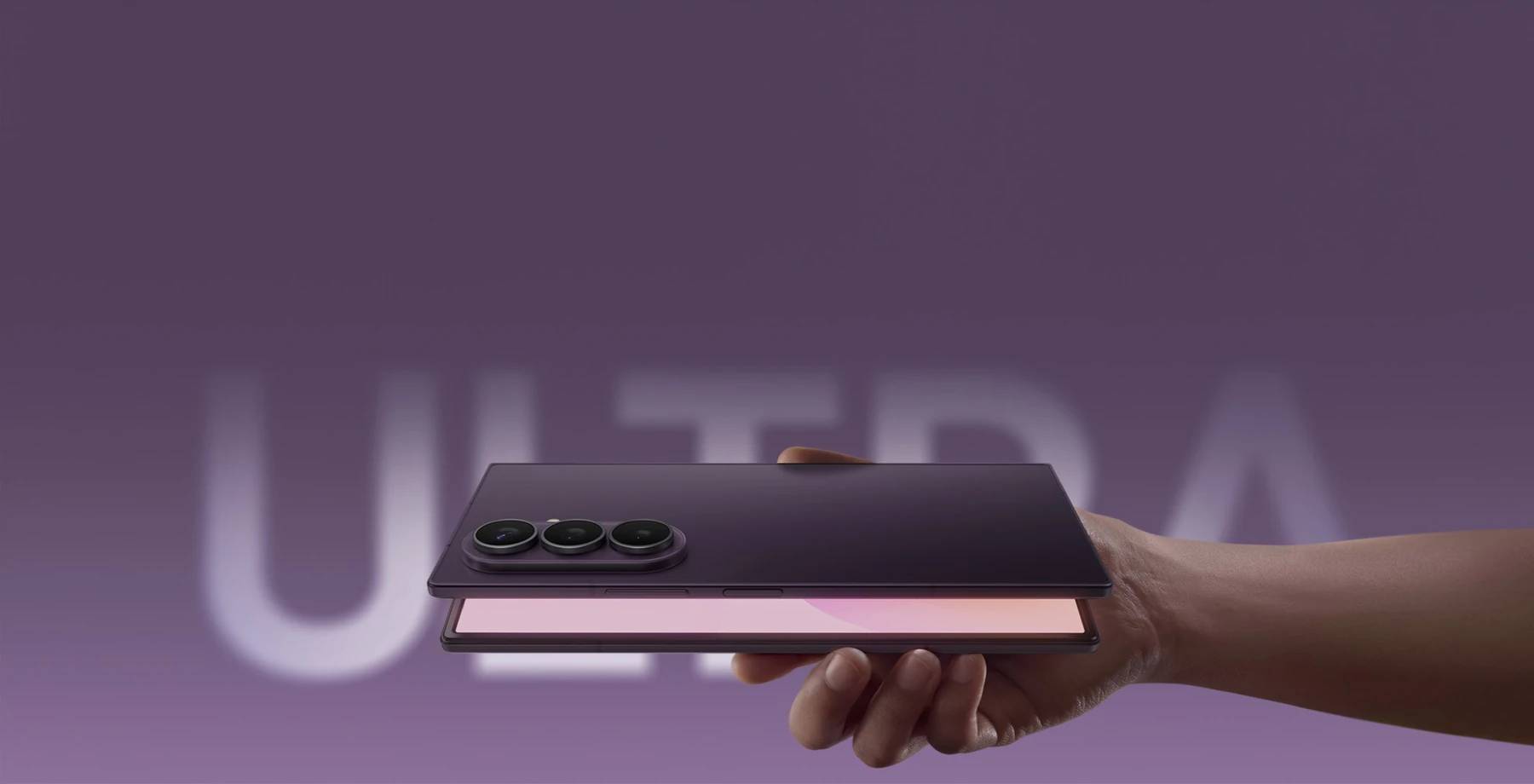
The iPhone Duo is not entering an empty market. Samsung has spent several generations correcting flaws in its Galaxy Z Fold line, refining their hinges, and adapting Android for large screens. With the Galaxy Z Fold 8, this experience translates into a device announced at 201 grams and 9.7 mm when closed. Apple arrives later with a product priced at $1,999, compared to $1,899 for its rival’s launch price in the United States, and features a chassis given at 254 grams and 11.3 mm folded. Thus, the iPhone is neither the thinnest nor the lightest, meaning it cannot rely on the argument of pricing.
Ecosystem vs. Operational Utility
However, this comparison does not boil down to just a few millimeters. Apple’s first foldable device must convince users who have often avoided the category due to fears of fragility, screen crease, or experimental software. The iPhone Duo offers them a familiar entry point: Apple services, iOS settings, accessories, and synchronization with Mac or Apple Watch. This continuity can outweigh hardware advantages for customers already invested in the ecosystem.
On the other hand, Samsung offers a product whose large screen has become a genuine workspace. The Galaxy Z Fold 8 allows users to display up to three applications, use floating windows, and extend the experience with DeX. This multitasking capability permits consulting a document during a video call, moving information between two apps, or using a keyboard and external display. Apple may present a simpler interface, but this simplicity becomes a limitation if the inner screen is used only as an enlarged version of the iPhone.
The duel thus pits two definitions of "foldable" against each other. Samsung treats its Fold as a hybrid device, positioned between a phone, a small tablet, and a workstation. Apple seems to prioritize coherence: opening the device should offer greater space without requiring the user to relearn iOS entirely. This caution is understandable for a first-generation product. Nevertheless, it gives Galaxy measurable functional lead for users buying a foldable to perform multiple tasks simultaneously.
Hardware and Design Differences
Design differences can shift the balance of power. The iPhone Duo benefits from an IP68 certification, a particularly important level of water and dust resistance for a hinged mechanism. Samsung, meanwhile, offers a more portable form factor and retains a physical SIM tray in markets where Apple relies on eSIM. Other key considerations—battery life, hinge durability, crease visibility, heat management, and ease of repair—will have to be assessed over time. Launch numbers do not indicate how each device will age after thousands of openings.
Photography constitutes another classic pitfall of the format. A foldable must distribute its space between two screens, a hinge, and a battery, complicating the integration of larger sensors. No serious verdict can be rendered without comparing images, video, and camera consistency under identical conditions. However, the possibility of using the outer screen to frame a portrait or placing the device half-open creates usage scenarios that traditional phones do not offer. Software counts as much here as hardware components.
Price reinforces the importance of these compromises. At nearly $2,000 before accessories, both devices target clientele willing to pay for a new form of mobile computing. Galaxy already has promotions, trade-ins, and an organized used market. The iPhone Duo could maintain high resale value due to demand for a first-generation Apple product, but this remains speculative until the product has been widely tested.
Conclusion: Choosing Your Foldable Focus
Finally, one must resist the temptation of declaring a definitive winner immediately following the announcement. Available comparisons rely partly on initial handling impressions and specifications presented before prolonged testing of the iPhone Duo can occur. Real-world battery life, solidity, sustained performance, and third-party app behavior may change judgment. Samsung currently holds the advantage of maturity and multitasking capability; Apple possesses the edge of an ecosystem capable of attracting users who might never have considered a Fold.
The choice therefore depends on the user's purpose. For working across multiple windows and using the phone as a small computer, Galaxy maintains a clear lead. To remain within the Apple universe and adopt a large screen without disrupting established habits, the iPhone Duo may be more consistent despite its weight and price. This confrontation does not crown the best foldable yet: it primarily shows that the category is finally becoming an ecosystem market rather than a niche dominated by a single manufacturer.
Before choosing, one must compare both devices over a full week—testing battery life, multitasking capability, photo quality, and pocket comfort—because their true difference lies less in the fold itself and more in how each device transforms the large screen into daily use.